One of our Shelter Team Leaders, Simon Sedgwick, is spearheading a donation campaign to purchase 10 portable Automated External Defibrillators (AED) medical devices so that every build team has this advantage in an emergency situation. The campaign goal is CDN $30,000. Donors may give tax-receitable contributions for this project by clicking the link below.
Born Out Of Necessity
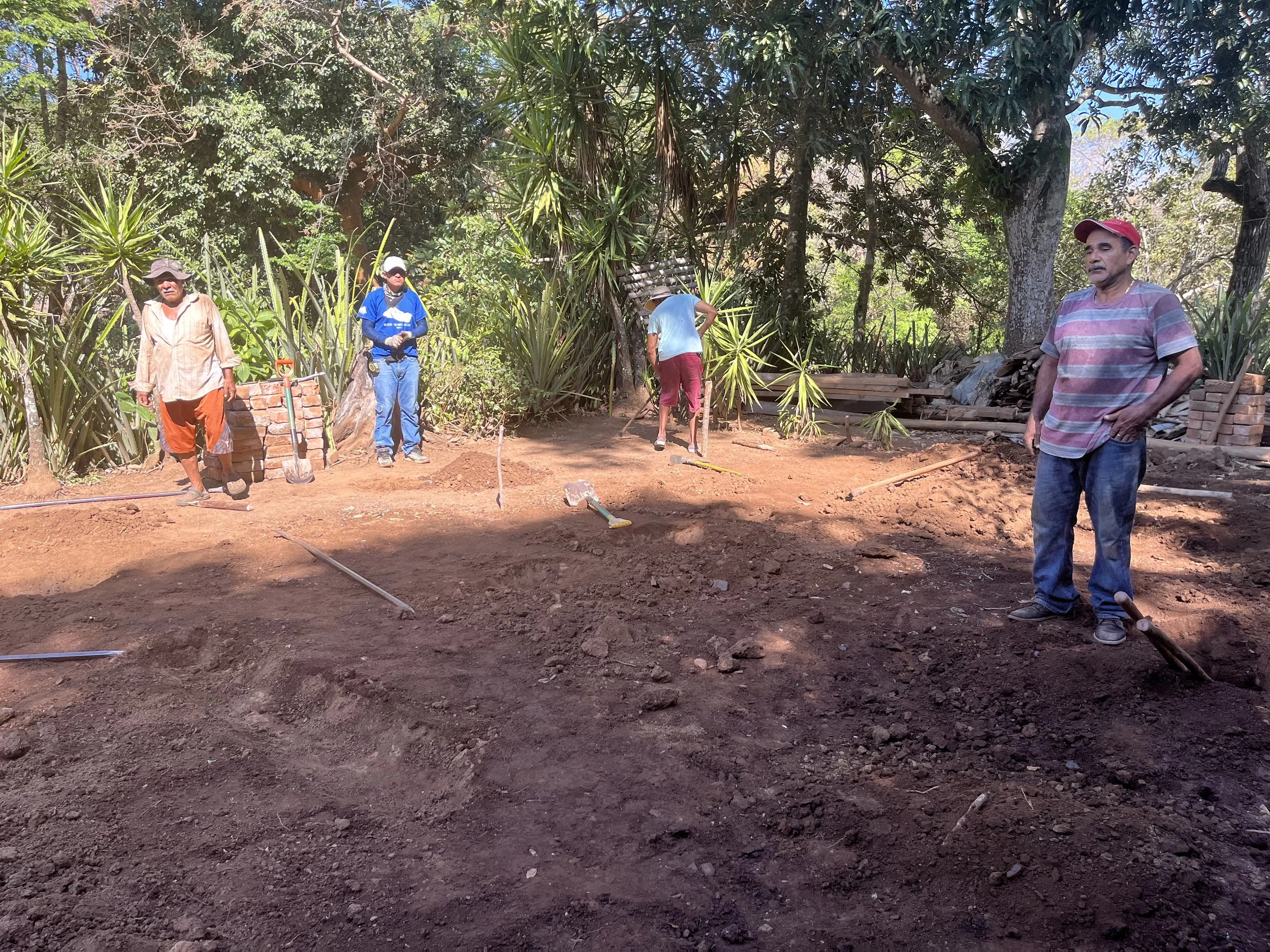
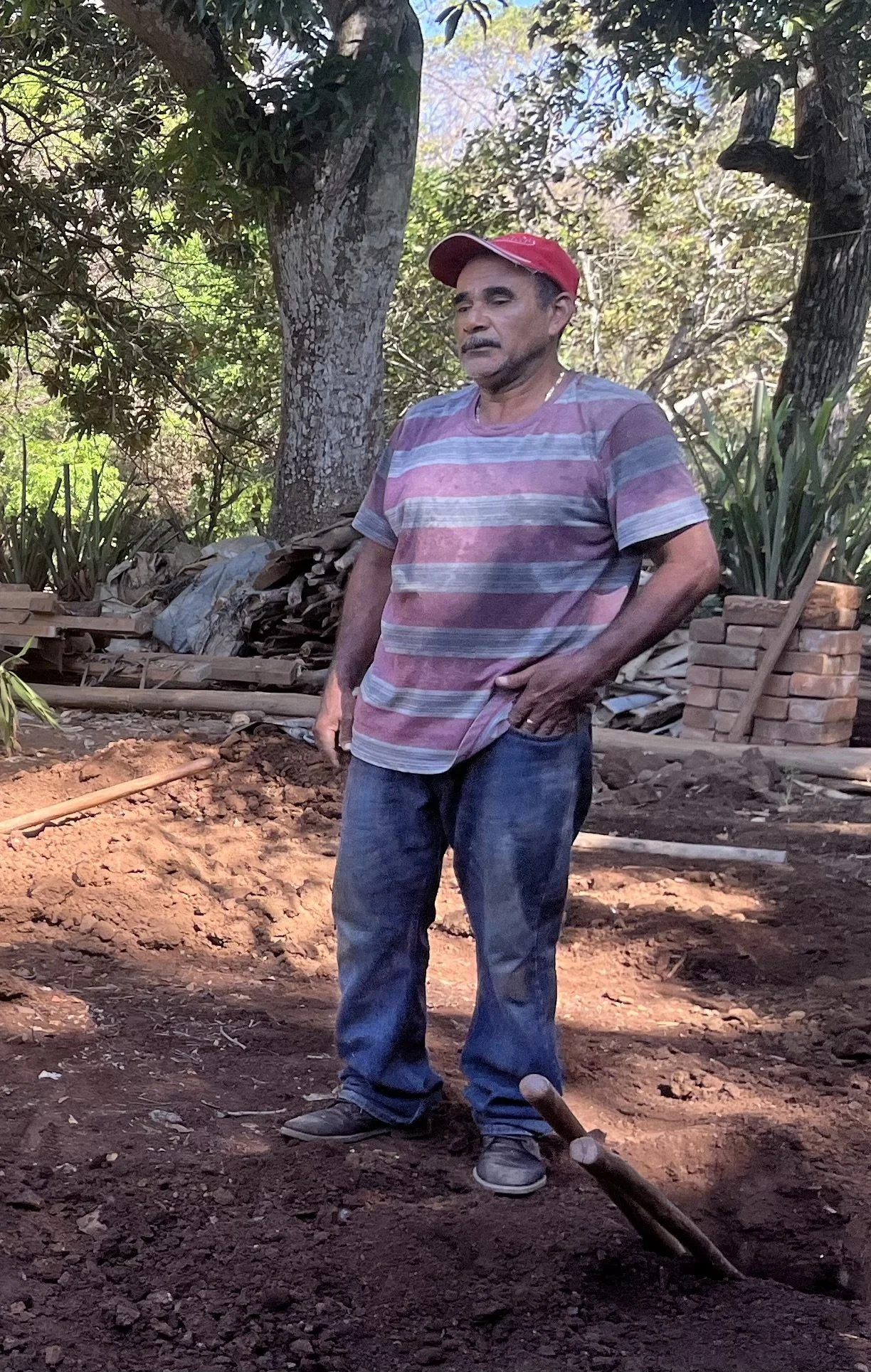
Simon’s desire to spearhead this campaign came from a tragic personal experience he had while on a Shelter mission trip: “On the morning of February 29, 2024, my five friends and I ambled down a beautiful trail to the last build site of our Shelter mission trip near San Vicente, El Salvador. We’d had a wonderful week up to that point, and we were looking forward to helping 83-year-old Maria Teresa realize the dream of a new home as her previous home was infested and collapsing. The garden was beautiful to say the least with butterflies flitting around. Her community’s name translates into English as “Paradise.” As usual, we gathered for prayer to bless her and the team, the build process, and the house itself.
An hour later, all our lives were changed.
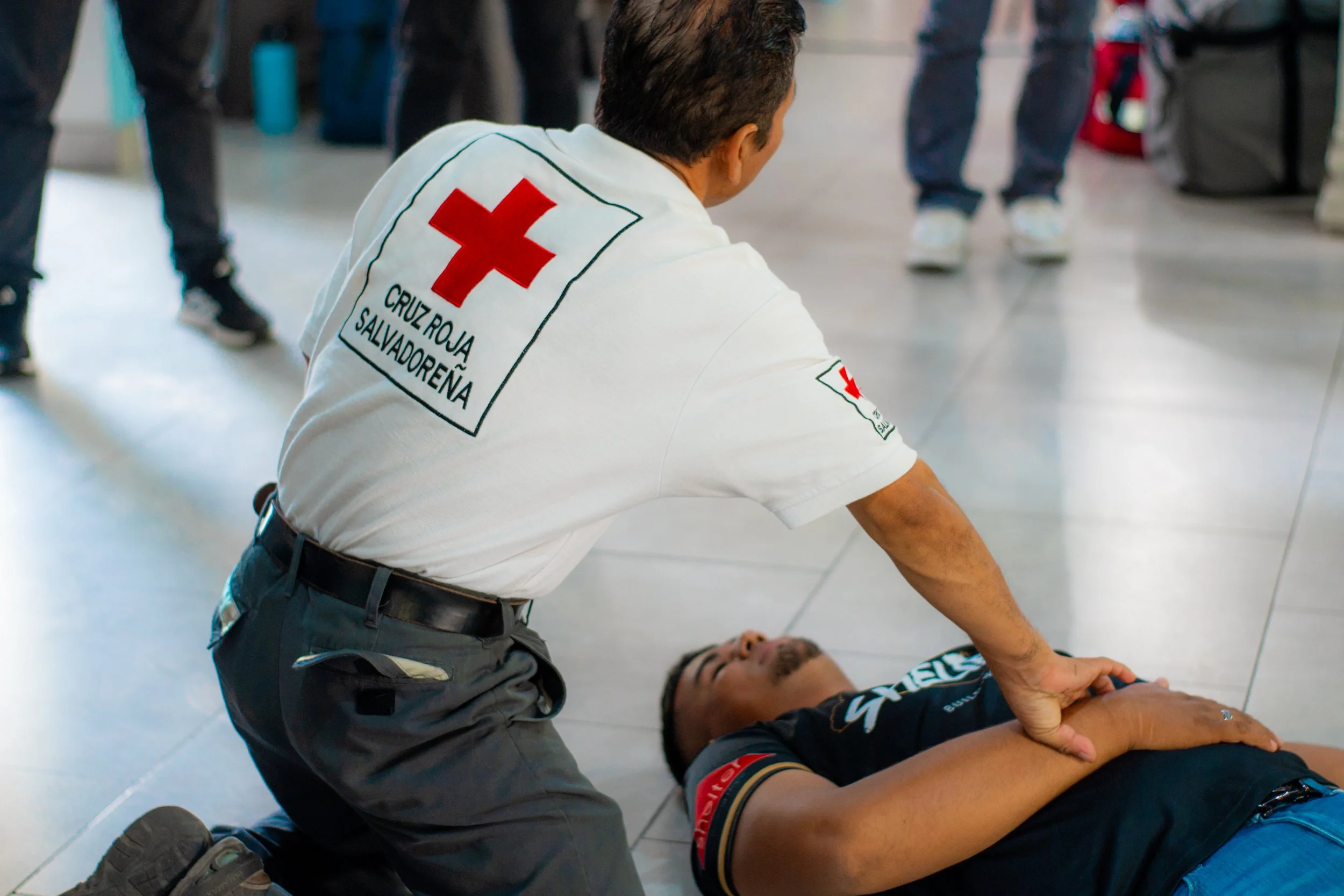
Maria’s nephew, Fabrizio, coughed a few times and collapsed. With a nurse and a border security officer on the team, we responded quickly with first aid, but we were soon aware that Fabrizio needed CPR. We called for professional medical help, but it took almost an hour of compressions from four people before “help” finally arrived. We were provided with a stretcher to transport Fabrizio up the trail to a waiting vehicle.
No medical support, no ambulance, no porters... no hope for saving this man.
Since this time, the Shelter staff has elevated their first aid training, protocols, and equipment. However, we believe we can still do more. On my return home, I felt called to investigate the prospect of providing AEDs to Shelter. You can find AEDs in every airport, hockey arena, many schools, and malls around our countries. They are easy to use and are proven to save lives. It’s unlikely that one of these devices would have reversed the outcome for Fabrizio due to our remote location — the access to it and the time for support to arrive. However, it could have. The true hope is never to need the devices. The reality is that they are now affordable and available in multiple languages. Our aim is to raise the funds to allow Shelter to send out each build team with an AED to accompany their first aid kit. CDN $30,000 would allow Shelter to purchase 10 AEDs.”
— Simon Sedgwick, Shelter STM Leader 2026
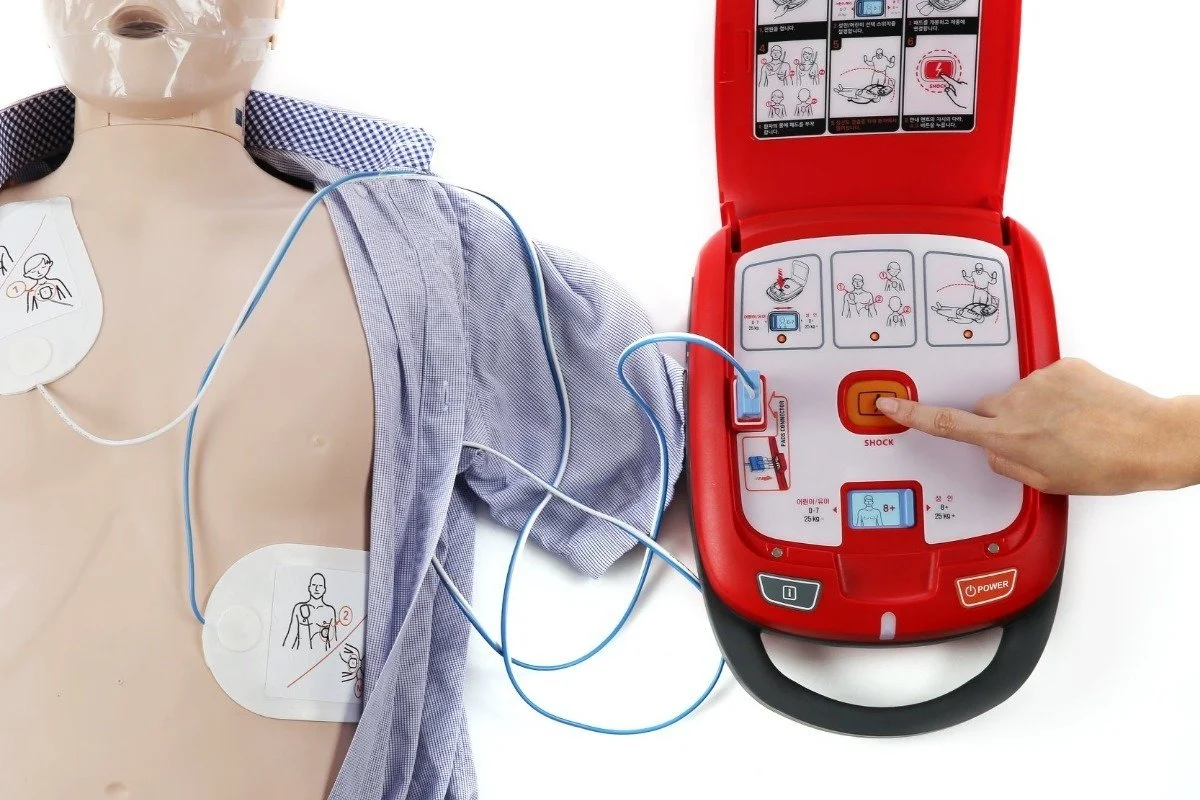
A Recent History of AEDs in El Salvador
In El Salvador, the availability and use of Automated External Defibrillators (AEDs)—known in Spanish as Desfibriladores Externos Automáticos (DEA)—are lower compared to regions with comprehensive Public Access Defibrillation (PAD) mandates.
1. Availability
Public and Workplace Infrastructure: There is no national law in El Salvador that mandates AED installation in every high-traffic public space (such as shopping centers, sports arenas, or standard corporate buildings). As a result, public access AEDs are uncommon in everyday settings. Where They Are Found: You will primarily find AEDs in:
● Private Hospitals & Major Medical Centers: Leading health facilities in cities like San Salvador maintain professional-grade defibrillators and AEDs. ● International Infrastructure: International airports (e.g., El Salvador International Airport / SAL) and large resort or multinational corporate properties often stock them as part of global safety standards. ● Emergency Response Vehicles: Advanced life-support ambulances operated by public health authorities or volunteer organizations (such as Cruz Roja Salvadoreña or Cruz Verde) carry defibrillators. ● Commercial Procurement: Private companies, sports venues, and health facilities purchase AED units through specialized regional medical equipment distributors (e.g., PRUMISA or global brands like ZOLL, Philips, and Cardiac Science).
2. Legal Regulations & Usage Guidelines
Legislation: Current occupational safety rules rely mostly on Ministry of Health (MINSAL) guidelines and industry-specific safety protocols rather than a universal AED requirement law. Operator Requirements: Standard AEDs sold and used in the country feature voice/visual prompts designed for minimal user intervention. While anyone can operate a public AED in an emergency, training in Basic Life Support (BLS) and CPR is strongly recommended for first responders and workplace safety teams to ensure quick response times. Good Samaritan Protections: Bystanders acting in good faith during medical emergencies typically operate under general duty-to-assist expectations, but specific legal liability shields vary, so workplace training programs emphasize proper protocols.